


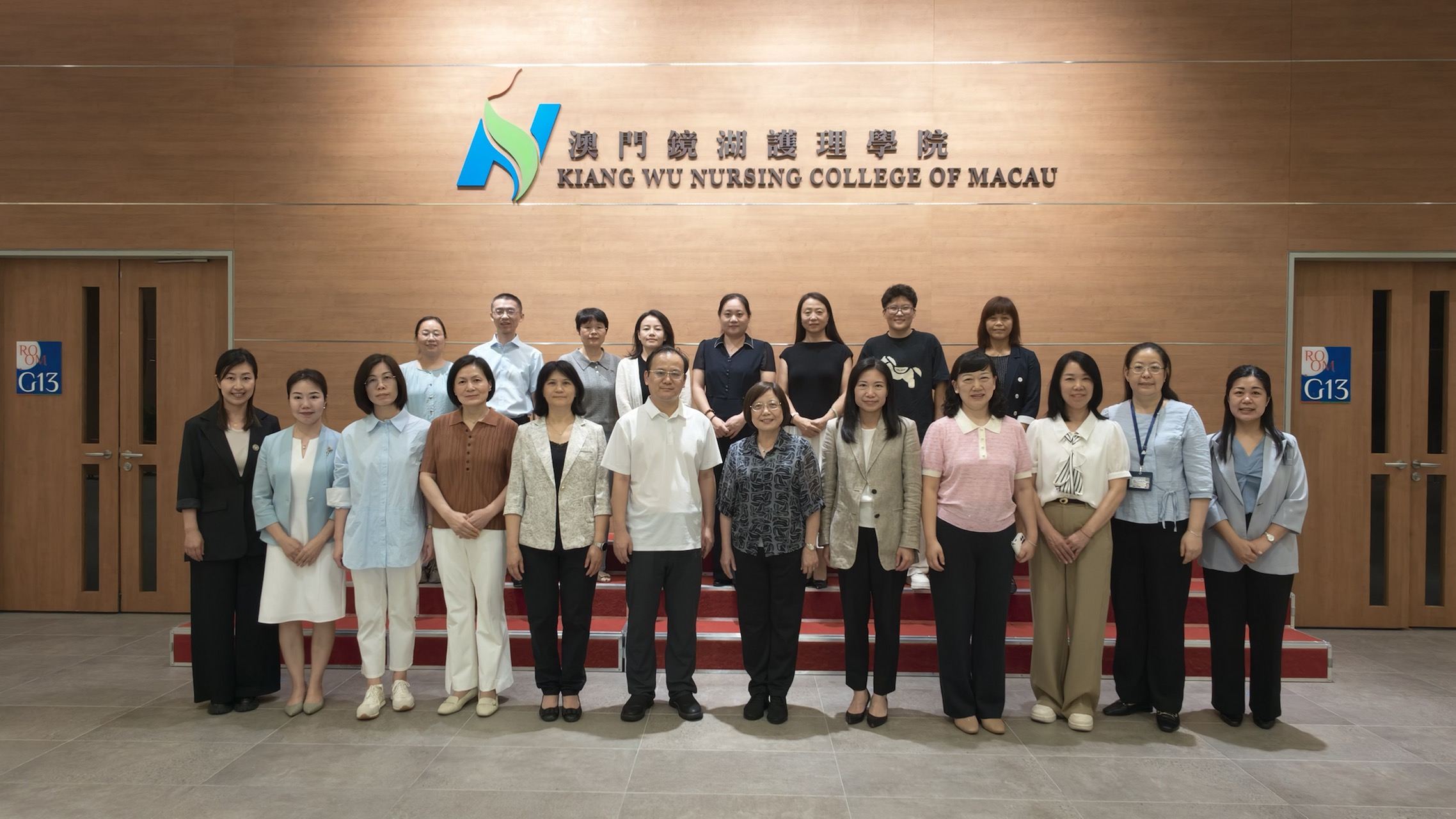
▲ Group photo of both parties
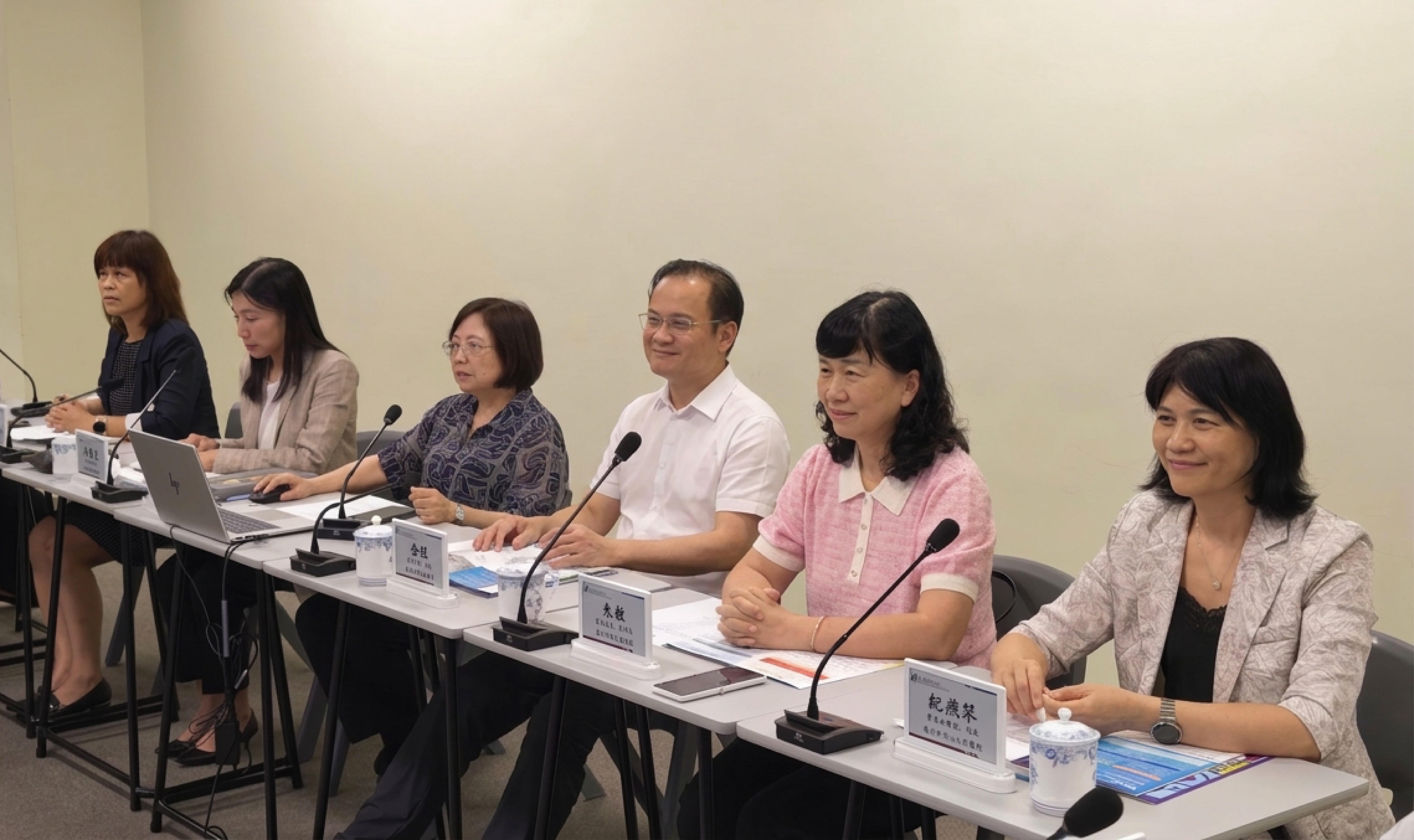
▲ Both parties exchanged views and discussed cooperation needs
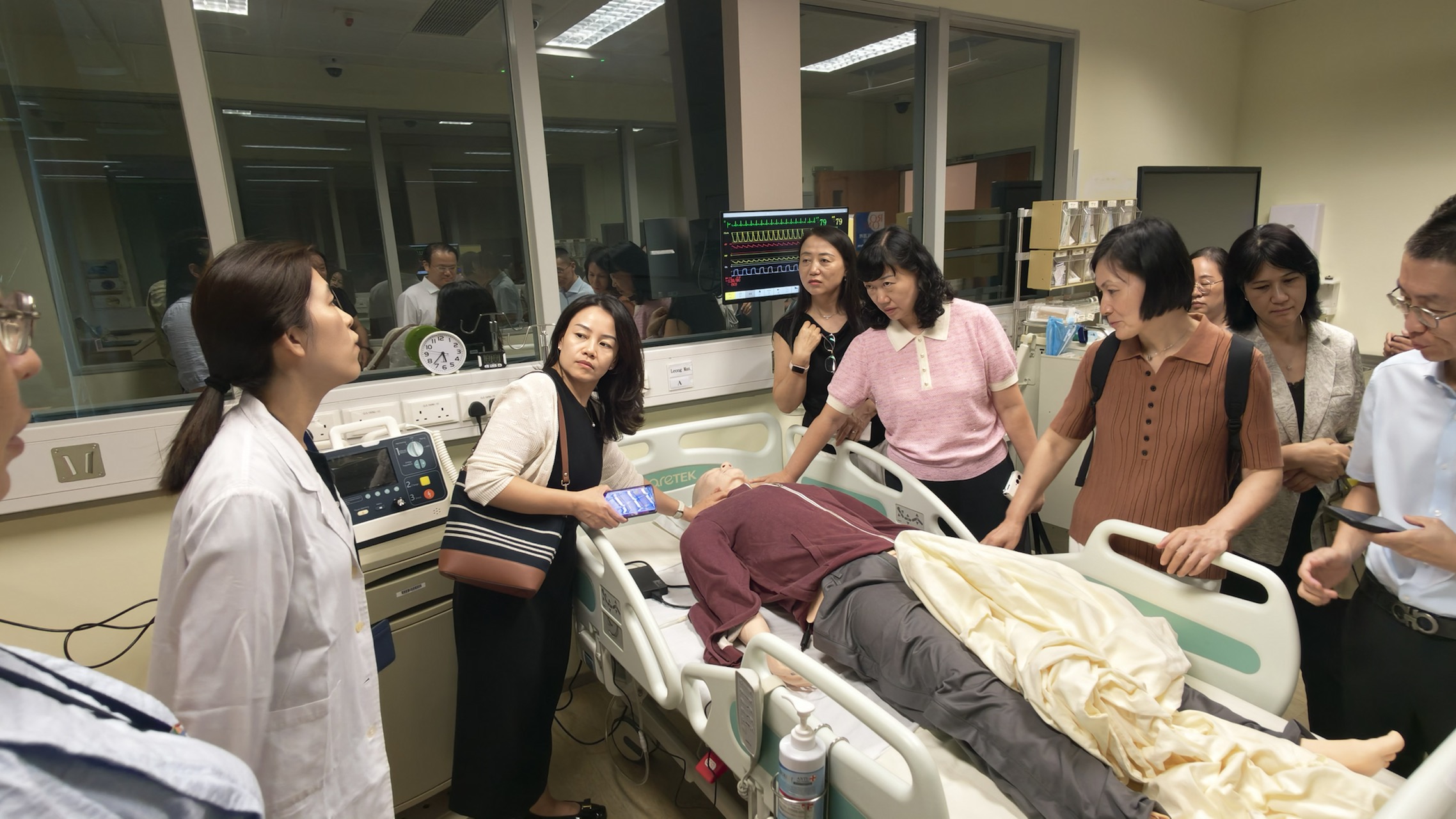
▲ Learning about students’ learning process using high-fidelity simulation manikins
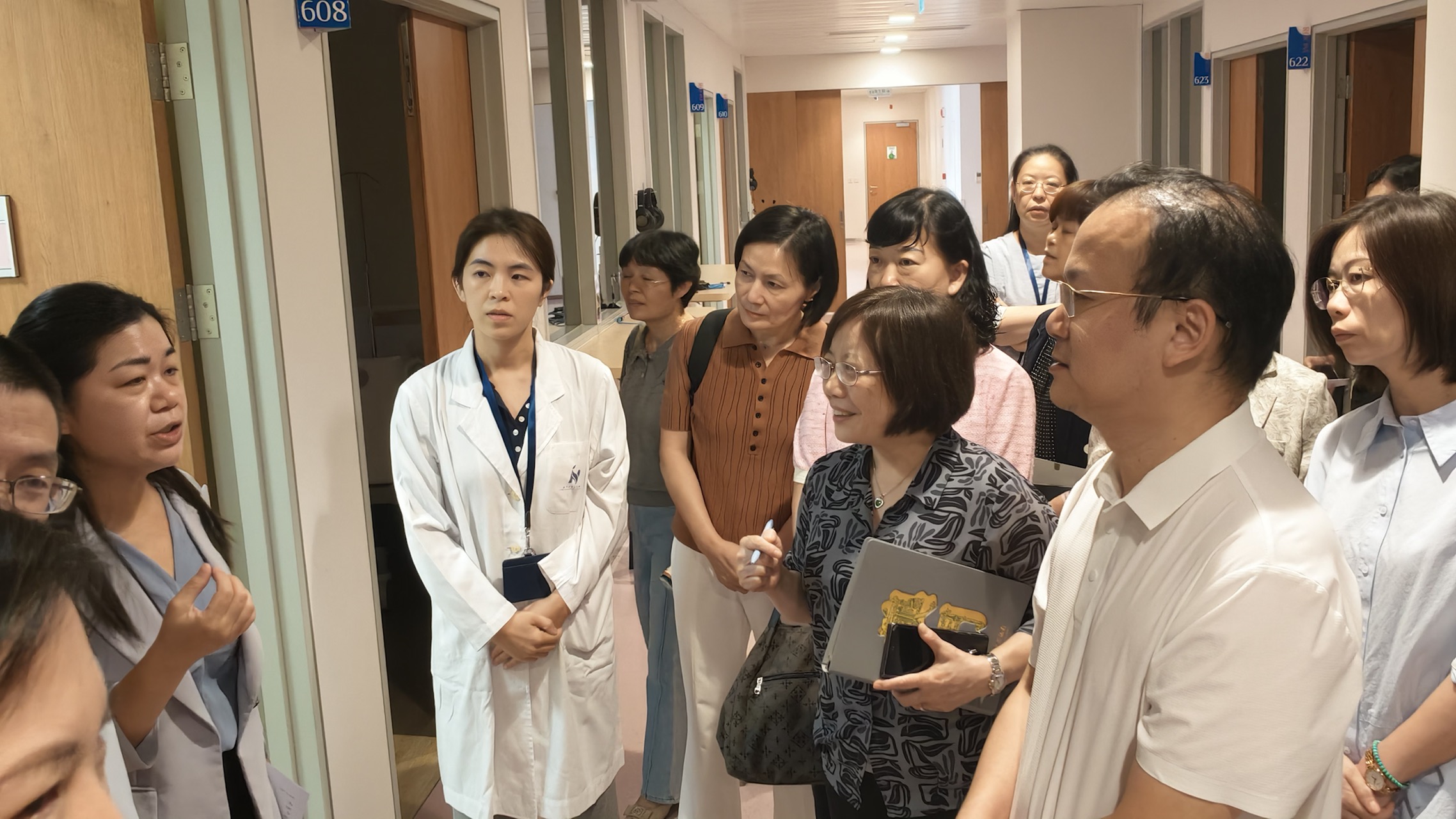
▲ Learning about the student assessment process at the Examination Centre
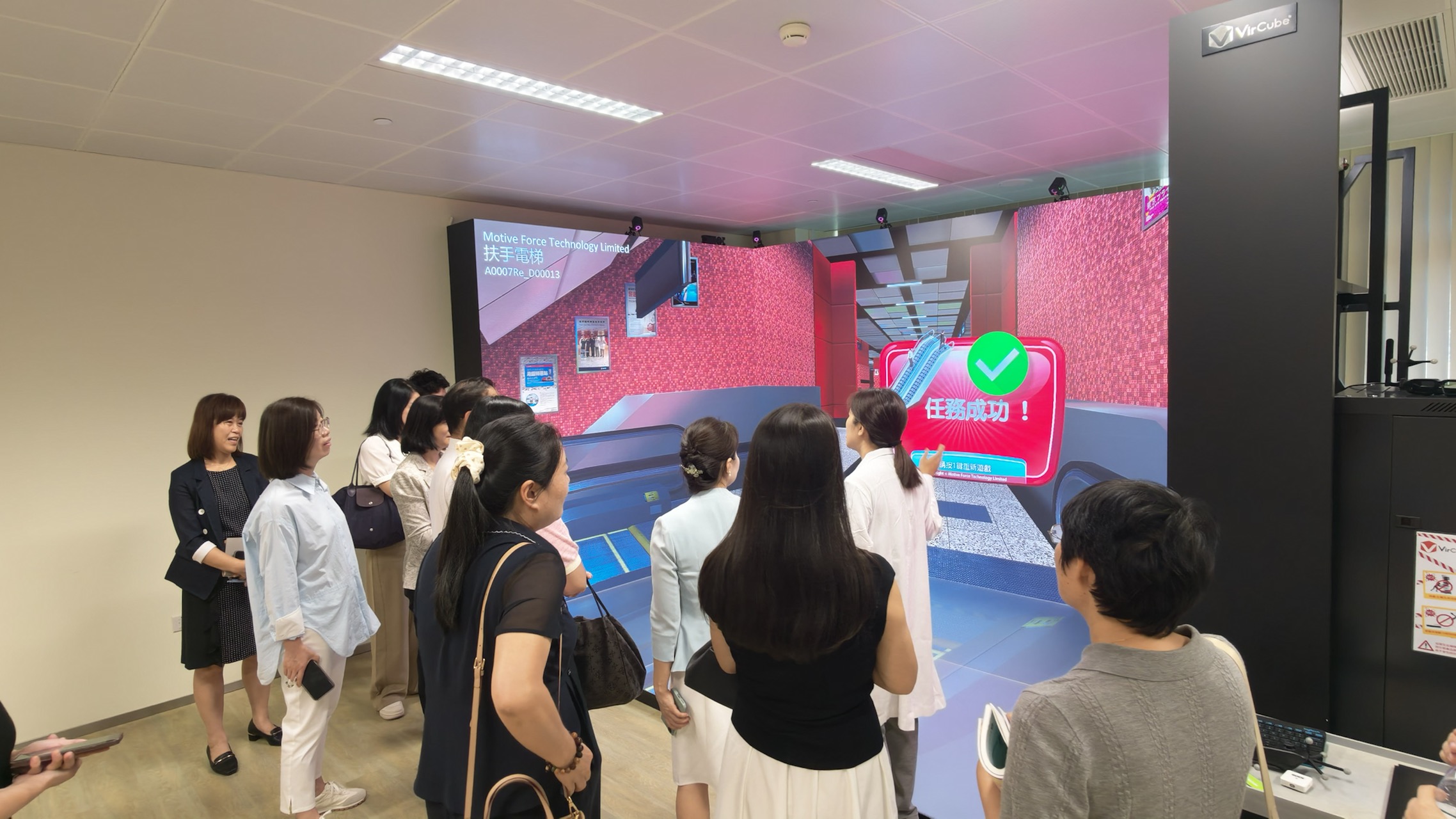
▲ Experiencing VCave learning


A 14-member delegation led by Jin Cheng, Secretary of the Party Leadership Group and Director of the Huizhou Municipal Health Bureau, visited Kiang Wu Nursing College of Macau (KWNC) on 11 September 2026 for an exchange meeting. The delegation comprised representatives from the Huizhou Municipal Health Bureau, Huizhou Central People’s Hospital, Huizhou Nursing Association, Huizhou First People’s Hospital, and other organisations. President Van Iat Kio, Vice-President Ng Wai I, and other members of the College’s management team received the delegation. Both parties held in-depth discussions on nursing talent development, the development of gerontological care programmes, and academic upgrading opportunities for in-service nurses.
During the meeting, President Van briefed the delegation on the College’s curriculum development, research areas, and external collaborations, with a particular focus on the Alzheimer’s Disease International (ADI) accredited programme offered by the Kiang Wu Nursing and Health Teaching and Research Centre in the Guangdong-Macao In-Depth Cooperation Zone in Hengqin. The Huizhou delegation proposed several areas for potential collaboration in response to local nursing workforce needs, including dementia care training programmes, elderly care-related courses, and academic upgrading pathways for nurses.
During the visit, the delegation toured the Nursing Laboratories and observed facilities such as high-fidelity simulation manikins and the VCave immersive learning system. The delegation highly recognised the College’s continuous investment in high-tech teaching resources and expressed their expectation for closer collaboration in faculty training, curriculum sharing, and skills-based teaching in the future.
During the meeting, President Van briefed the delegation on the College’s curriculum development, research areas, and external collaborations, with a particular focus on the Alzheimer’s Disease International (ADI) accredited programme offered by the Kiang Wu Nursing and Health Teaching and Research Centre in the Guangdong-Macao In-Depth Cooperation Zone in Hengqin. The Huizhou delegation proposed several areas for potential collaboration in response to local nursing workforce needs, including dementia care training programmes, elderly care-related courses, and academic upgrading pathways for nurses.
During the visit, the delegation toured the Nursing Laboratories and observed facilities such as high-fidelity simulation manikins and the VCave immersive learning system. The delegation highly recognised the College’s continuous investment in high-tech teaching resources and expressed their expectation for closer collaboration in faculty training, curriculum sharing, and skills-based teaching in the future.

Strive for Competence and Integrity
Serve with Professionality and Care
Contact Us


Complexo de Cuidados de Saúde das Ilhas
Edifício do Instituto de Enfermagem Kiang Wu de Macau, Avenida do Hospital das Ilhas no.447, Coloane, RAEM
Permanent Campus
Est. Repouso No. 35, R/C, Macau


官網instagram


掃描二維碼關注官方微信
Institutional Accreditation (IA) &Nursing Education Accreditation
 |
 |
 |
| The Quality Assurance Agency for Higher Education (QAA): Institutional Accreditation |
The Motherland's Education Quality Evaluation Agency of the Ministry of Education:
Nursing Education Accreditation |
Course provider of Alzheimer's Disease International (ADI) |
Copyright © 2024 KIANG WU NURSING COLLEGE OF MACAU
