


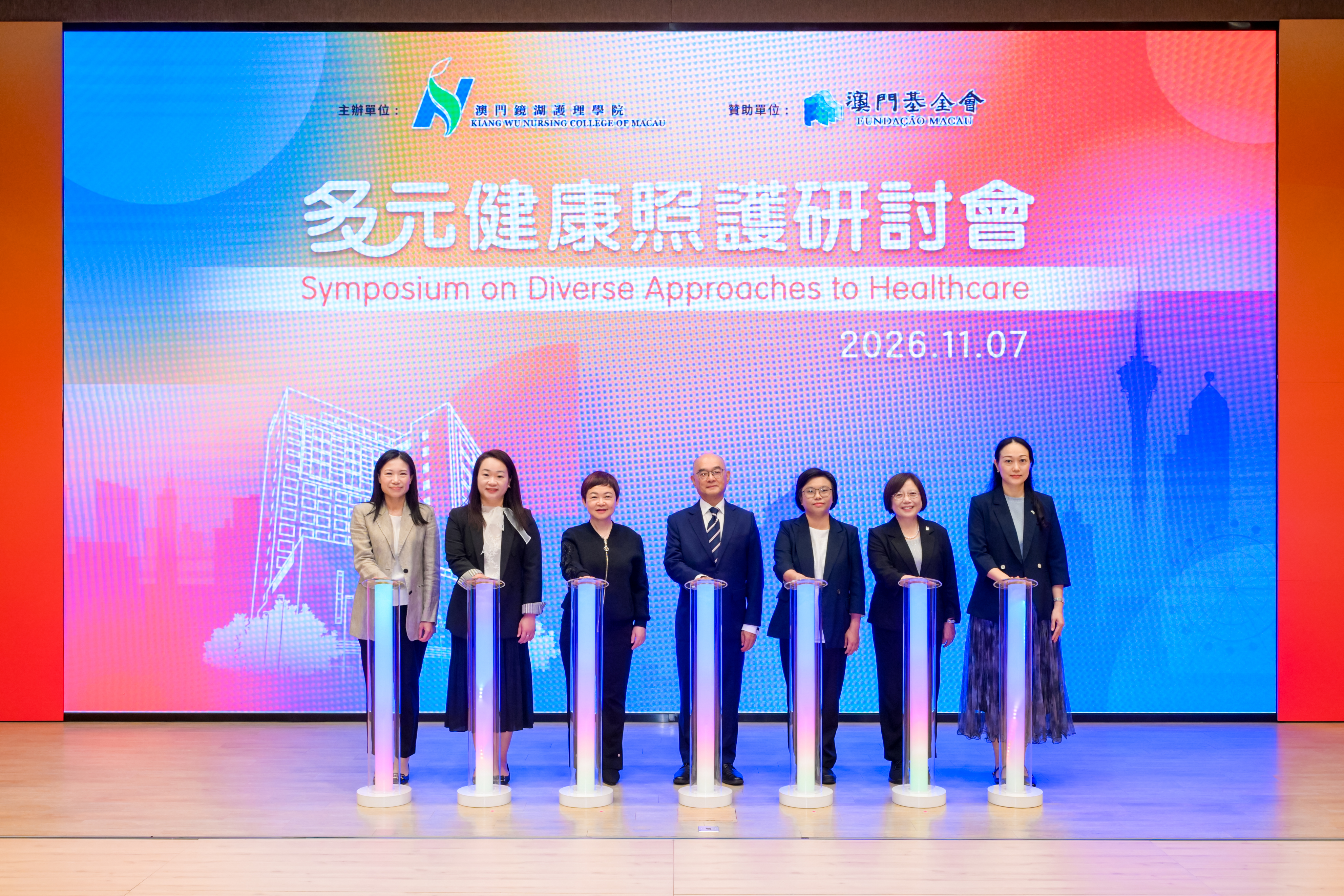
Opening ceremony of the 2026 Symposium on Diverse Approaches to Health Care
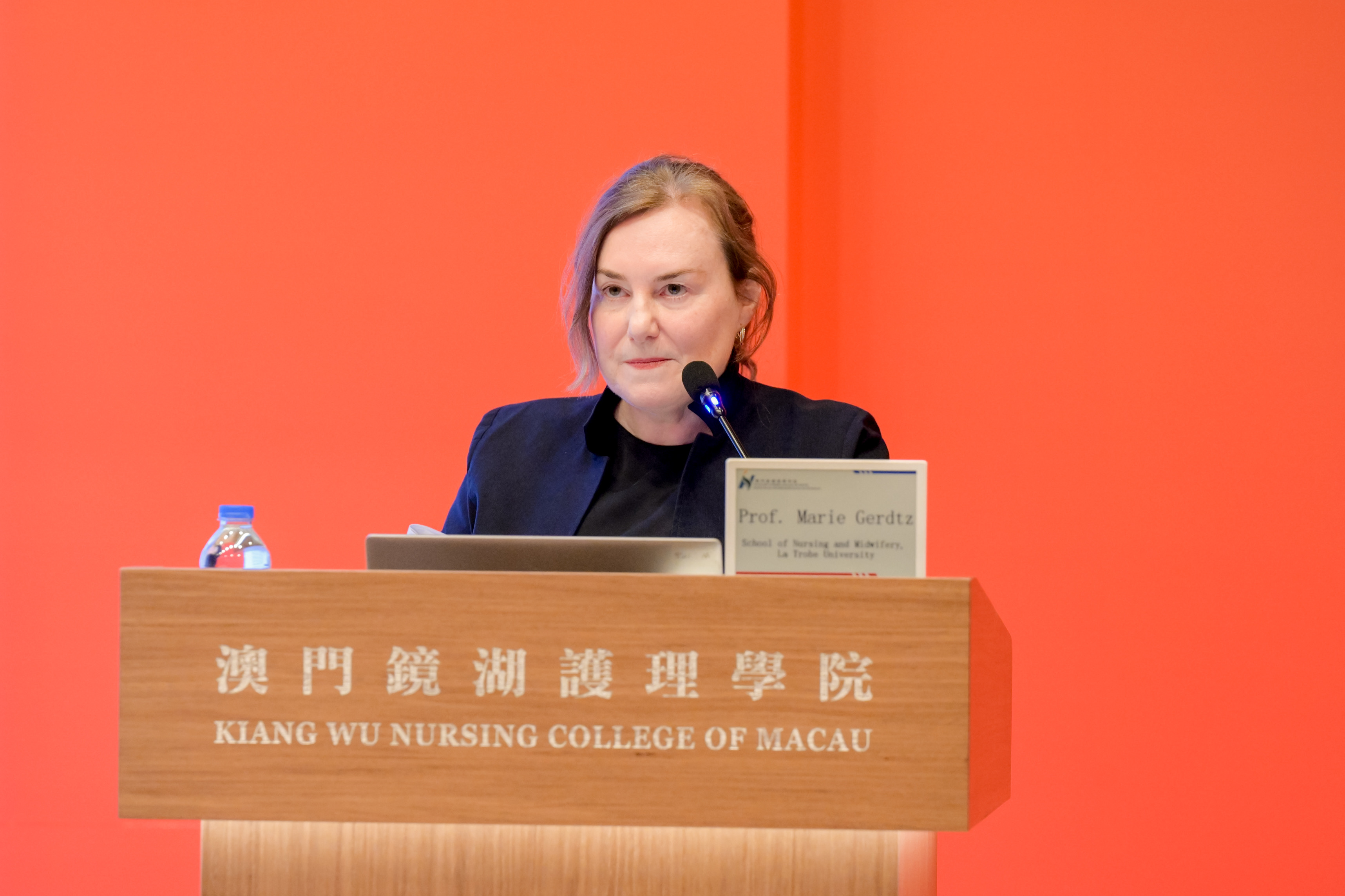
Professor Marie Gerdtz, Dean of the School of Nursing and Midwifery, La Trobe University, Australia
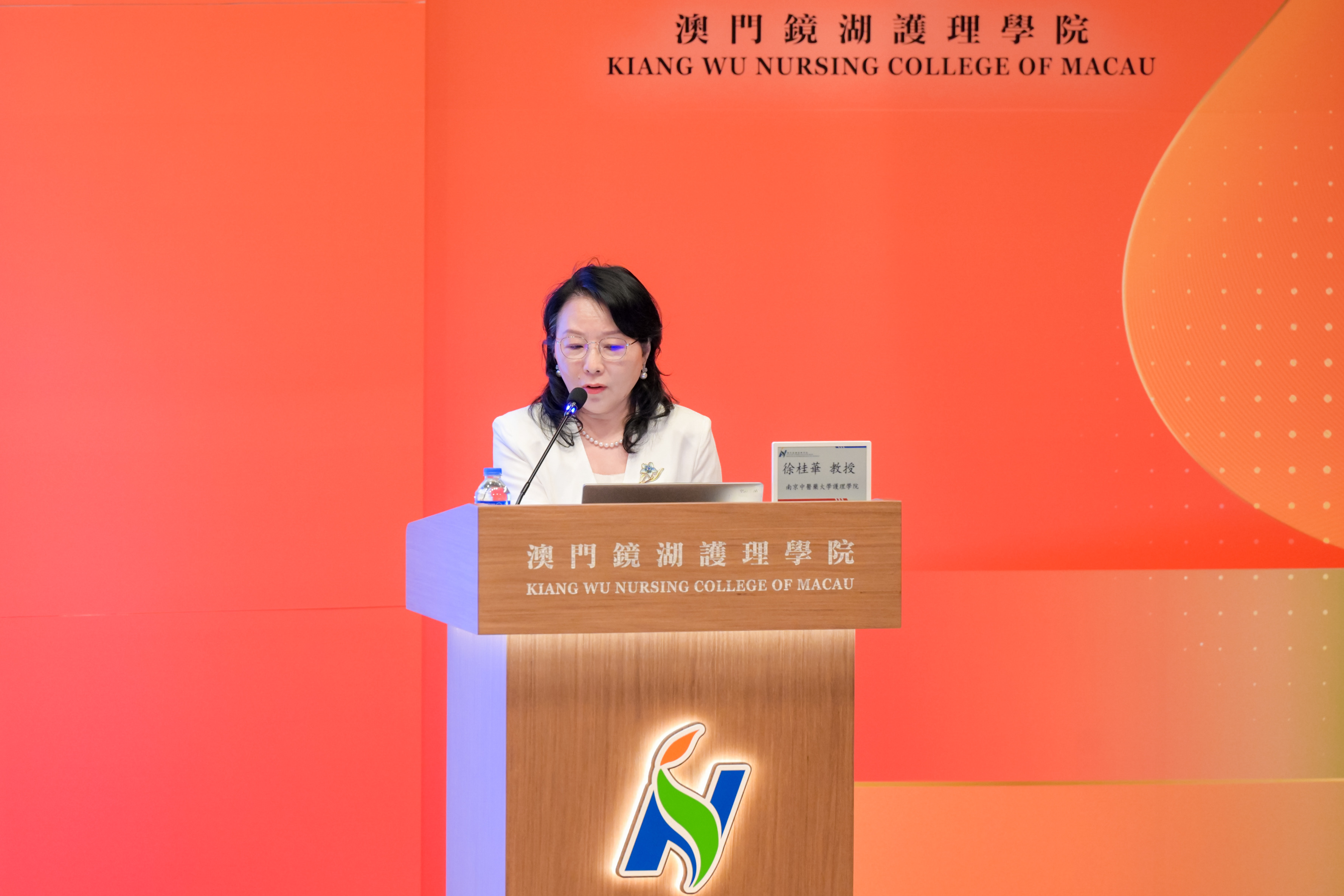
Professor Xu Guihua, School of Nursing, Nanjing University of Chinese Medicine
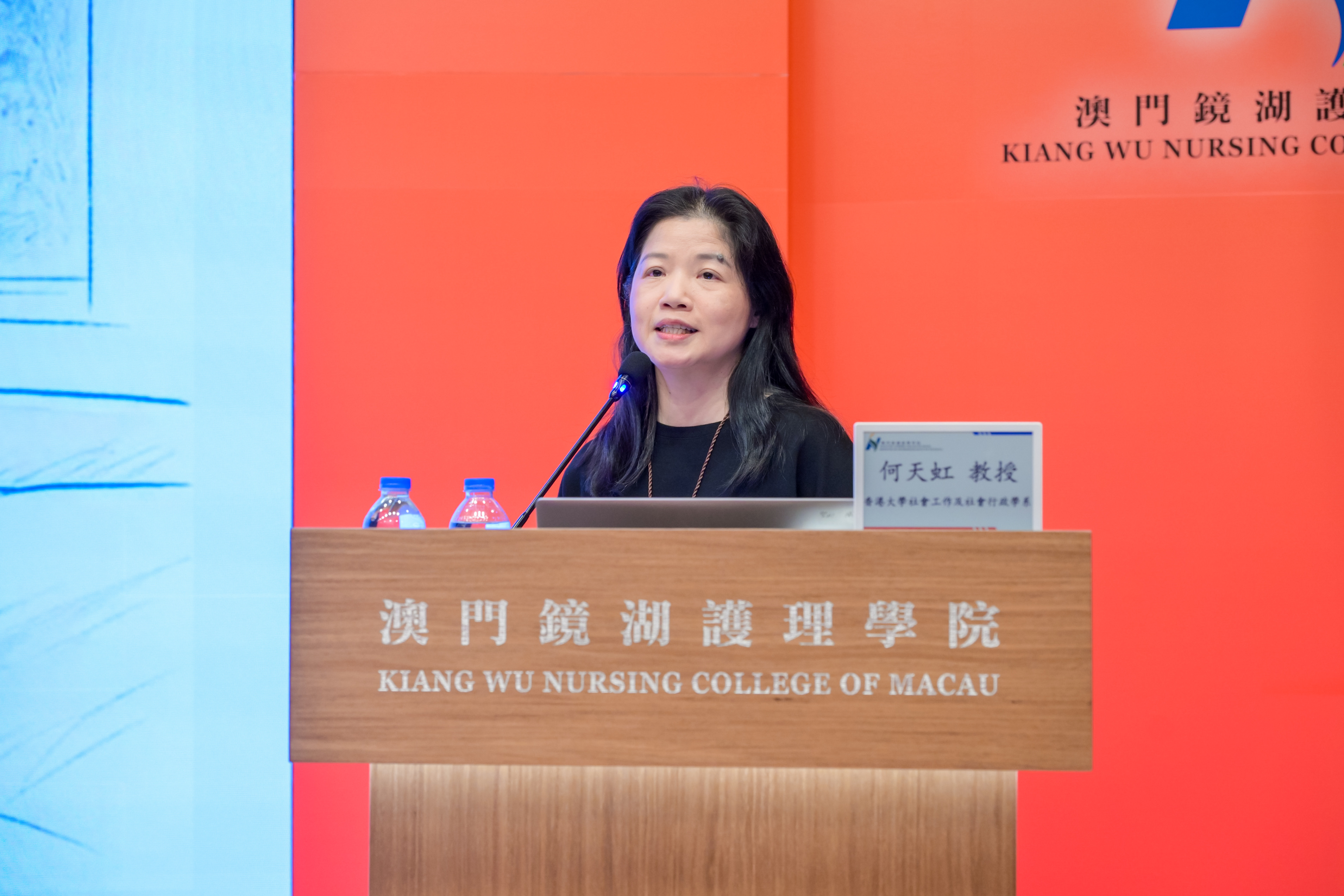
Professor Tin Hung Ho, Department of Social Work and Social Administration, The University of Hong Kong
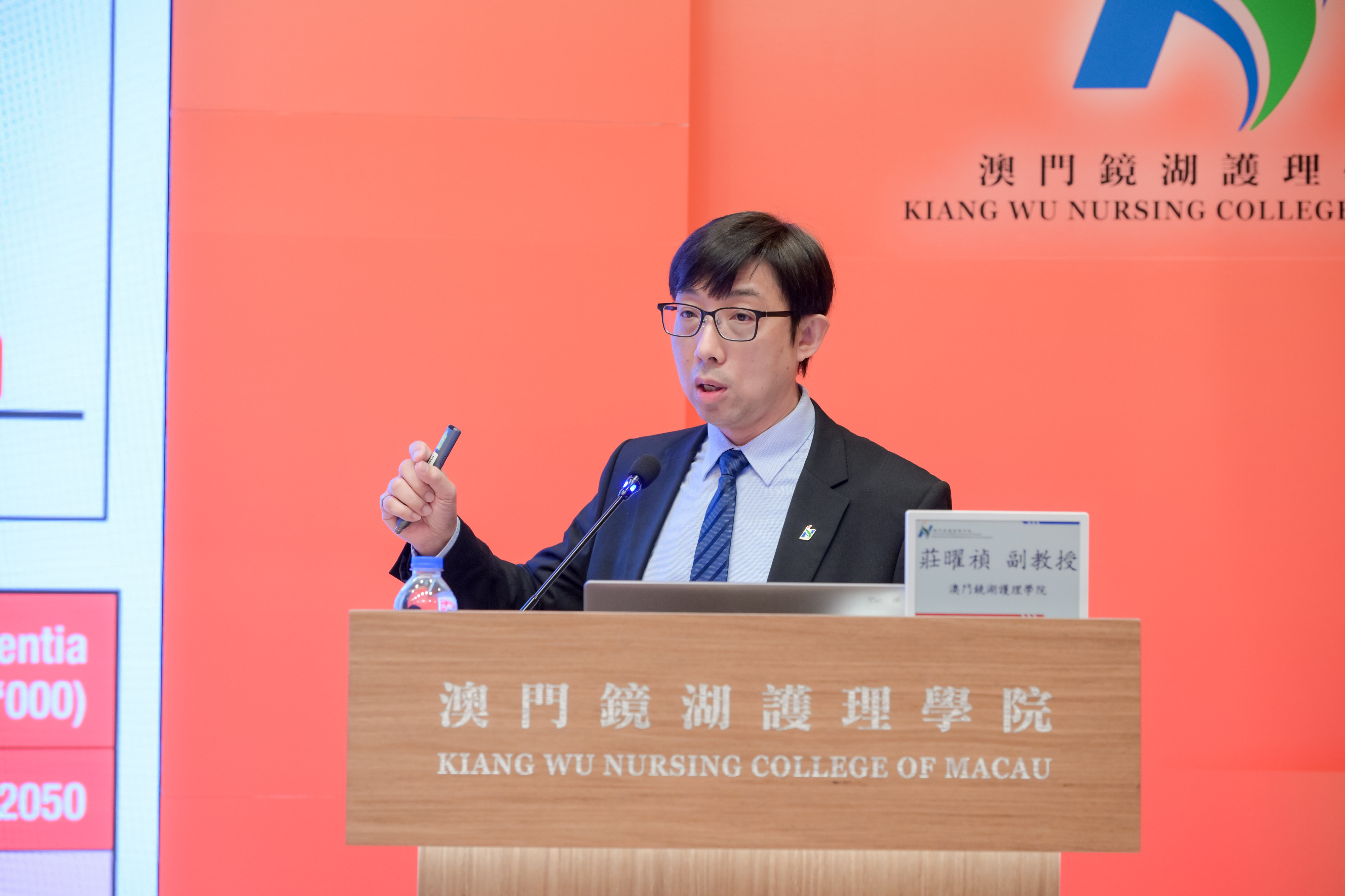
Associate Professor Chuang Yao Chen, Kiang Wu Nursing College of Macau


In her opening remarks, Professor Van Iat Kio, President of the College, stated that the College has always upheld its educational philosophy of “From Personhood to Benevolence”, and is committed to cultivating health care professionals with both professional competence and humanistic care. In the face of population ageing and increasingly diverse health needs, diverse approaches to health care have become an important issue in the development of the health sector. She expressed the hope that the symposium would bring together the wisdom of international and Mainland, Hong Kong and Macao experts to explore innovation in health care from multiple perspectives, including international frontiers, medical-engineering integration, humanities and the arts, and local practice. She also hoped the event would promote academic exchange and cross-disciplinary collaboration, and jointly advance the development of health care in the Greater Bay Area and beyond.
Professor Marie Gerdtz, Dean of the School of Nursing and Midwifery at La Trobe University, Australia, shared that the foundation of quality care lies in frontline clinical practice, and must be supported by evidence-based research and innovation to build strong clinical research capacity. She emphasised that transformation in care systems cannot be achieved through a single project alone. Instead, it requires the integration of frontline observations with organisational-level empowerment. Through cross-level systematic collaboration, clinical evidence can be translated into actions that improve care, continuously enhance care quality, and support the long-term and sustainable optimisation of health care systems.
From the perspective of medical-engineering integration, Professor Xu Guihua of the School of
Nursing at Nanjing University of Chinese Medicine shared research and practice outcomes in chronic disease rehabilitation and health maintenance. She pointed out that, in response to population ageing and the high prevalence of chronic diseases, technologies such as artificial intelligence, big data and virtual reality can be integrated to establish a holistic health management model covering prevention, treatment, rehabilitation and health maintenance. Through examples such as early screening for cognitive impairment, VR-based cognitive training, and intelligent traditional Chinese medicine nursing, she demonstrated the effectiveness of integrating technology with clinical care, offering new insights for precision health management and high-quality chronic disease rehabilitation services.
Professor Tin Hung Ho of the Department of Social Work and Social Administration at The University of Hong Kong proposed that nursing is not merely a set of medical procedures, but a professional practice centred on interpersonal relationships and sensory experience. Citing authoritative studies from the World Health Organization and The Lancet, she explained that the arts constitute an important global health resource and can promote physical and mental well-being throughout the life course. While science ensures the safety and effectiveness of care, the arts respond to individuals’ unique physical and psychological needs. Integrating creative expression into clinical nursing, nursing education and palliative care can help patients rebuild dignity and meaning in life, realising the integration of science and the humanities.
Based on local research on cognitive impairment among older adults in Macao, Associate Professor Chuang Yao Chen of KWNC analysed the associations among traditional Chinese medicine body constitution, gut microbiota and cognitive function. The study found a significant association between yin-deficiency constitution and cognitive impairment among older adults. The gut microbiota structures of older adults with cognitive impairment and yin-deficiency constitution differed significantly from those of older adults with normal cognition and balanced constitution. By integrating TCM constitution identification with gut microbiota analysis, the research team explored potential risk factors for cognitive impairment, providing scientific evidence for establishing early warning mechanisms and developing individualised constitution-based nursing care plans. The study also opens up new directions for promoting cognitive health and preventing dementia among older adults in Macao.
The symposium successfully established an international and interdisciplinary platform for exchange, bringing together experts from research, education, clinical practice and social services to share the latest research findings and practical experience, and to promote knowledge exchange and collaboration across professions.

Strive for Competence and Integrity
Serve with Professionality and Care


Complexo de Cuidados de Saúde das Ilhas
Edifício do Instituto de Enfermagem Kiang Wu de Macau, Avenida do Hospital das Ilhas no.447, Coloane, RAEM
Permanent Campus
Est. Repouso No. 35, R/C, Macau


官網instagram


掃描二維碼關注官方微信
Institutional Accreditation (IA) &Nursing Education Accreditation
 |
 |
 |
| The Quality Assurance Agency for Higher Education (QAA): Institutional Accreditation |
The Motherland's Education Quality Evaluation Agency of the Ministry of Education:
Nursing Education Accreditation |
Course provider of Alzheimer's Disease International (ADI) |
